

I. Egypt Market: Infrastructure Driving Building Material Demand
Egypt in 2026 is in the fast lane of large-scale construction. The New Administrative Capital project is investing USD 58 billion, and the government plans to build over 2 million new affordable housing units in 2026 alone. Together with the ongoing Red Sea bridge project linking to Saudi Arabia, demand for building materials continues to grow. The total Egyptian construction market is estimated at USD 570 billion, with a projected CAGR of 8.39% from 2024 to 2029.
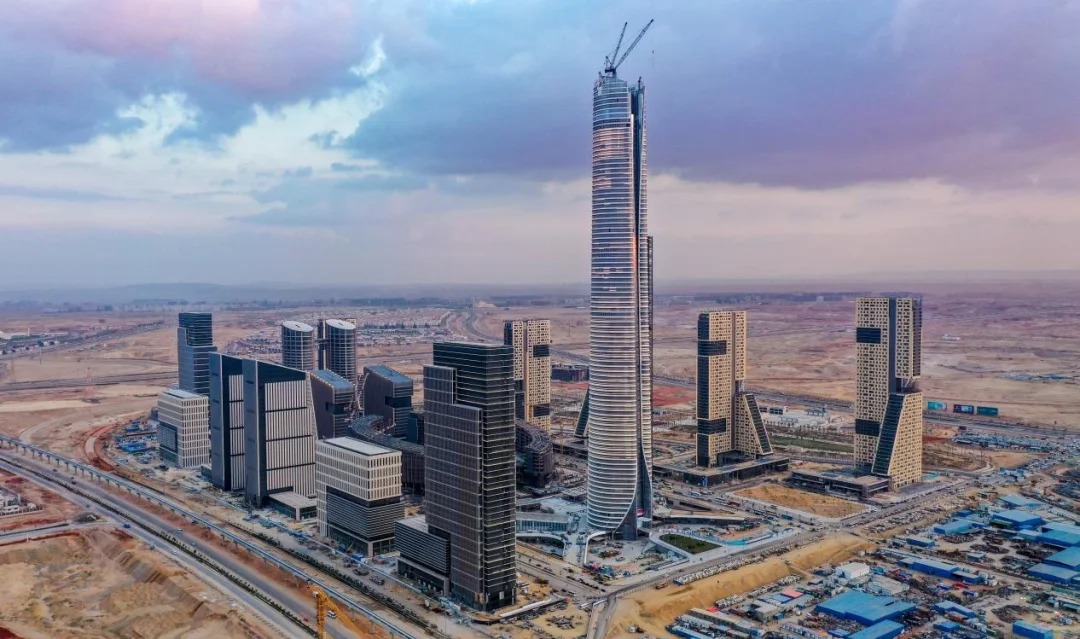
Demographics also provide a solid domestic foundation. With a population exceeding 110 million, 60% under the age of 30, an urbanization rate of around 43%, and an annual new housing demand of about 500,000 units, the need is clear. In terms of demand structure, exterior wall cladding, hotel renovations, and public facility construction are the strongest drivers for external wall materials. In recent years, as high-rise buildings place greater emphasis on facade safety, lightweight, safe, and easy-to-install materials have become a priority for contractors.
On the supply side, Egypt's local ceramic and sanitary ware market is concentrated in Cairo and Giza governorates, where 93 and 72 ceramic wholesalers respectively account for over 36% of the national total. International brands such as Duravit and Hansgrohe have localized production, occupying the high-end segment. Local brands like Cleopatra dominate the mid-range market, while Al-Jawhara controls the high-end, supported by dense distribution networks. Egypt itself is a major producer and exporter of ceramics and sanitary ware in the Middle East and North Africa, with seven large manufacturers exporting to Europe, Asia, and Africa. For Chinese exporters, this means soft porcelain has room as a differentiated product—Egypt's local capacity is mainly ceramic tiles and sanitary ware, while soft porcelain is still an emerging category with an unshaped competitive landscape.
On the buyer side, Egypt has mature sourcing channels through trade fairs. At the 2026 Egypt Ceramica & Home Building Materials Fair (Ceramica Market), exhibitors saw an average 70% sales increase, with 95% visitor satisfaction. Additionally, EGYPT PROJECTS, the largest construction and building materials exhibition in Africa, attracts professional visitors from 31 countries. China is already among the top three sources of building material imports for Egypt.
Tariffs and compliance are critical to understand before entering the Egyptian market. Egypt imposes 30-60% tariffs on certain products from China and South Korea, plus an additional 15% clearance fee. However, there is an important positive signal: starting January 1, 2026, Egypt reduced import tariffs on LEED-certified green building materials from 20-30% to 10%, while keeping 5% tariffs on smart processing equipment. Soft porcelain, as a low-carbon, eco-friendly material, fits this tariff reduction category.
On customs clearance, Egypt fully enforced the ACID system from April 1, 2026. Importers must register on the Nafeza platform to obtain a 19-digit ACID number, and exporters must set up an official account on the CargoX blockchain platform. Twelve product categories, including building materials and electronics, also require a pre-shipment inspection certificate from the Egyptian Organization for Standardization and Quality (EOS). These compliance requirements cannot be overlooked.
II. UAE & Saudi Arabia Markets: High Standards, High Returns
The UAE and Saudi Arabia are the core building material consumer markets in the Middle East, but each has its own characteristics.
Saudi Arabia is the largest construction market in the region. The Saudi construction market is estimated to reach USD 112.3 billion in 2026 and USD 148.7 billion by 2031. The NEOM mega-city and The Line linear city have entered large-scale construction phases. From 2026, Saudi Arabia will allow foreign nationals to buy homes, driving a 30% increase in residential building material demand. Ceramic products are heavily reliant on imports. In terms of product lines, demand for green building materials and high-performance exterior cladding is growing rapidly.
Notably, Saudi Arabia's green building standards have shifted from policy advocacy to market entry barriers. The SASO Green Building Code and the tender rules for mega-projects like NEOM create an implicit "green threshold"—companies without green supply chain capabilities are gradually being marginalized. Exterior cladding materials that meet environmental standards have a clear competitive advantage in large project tenders.
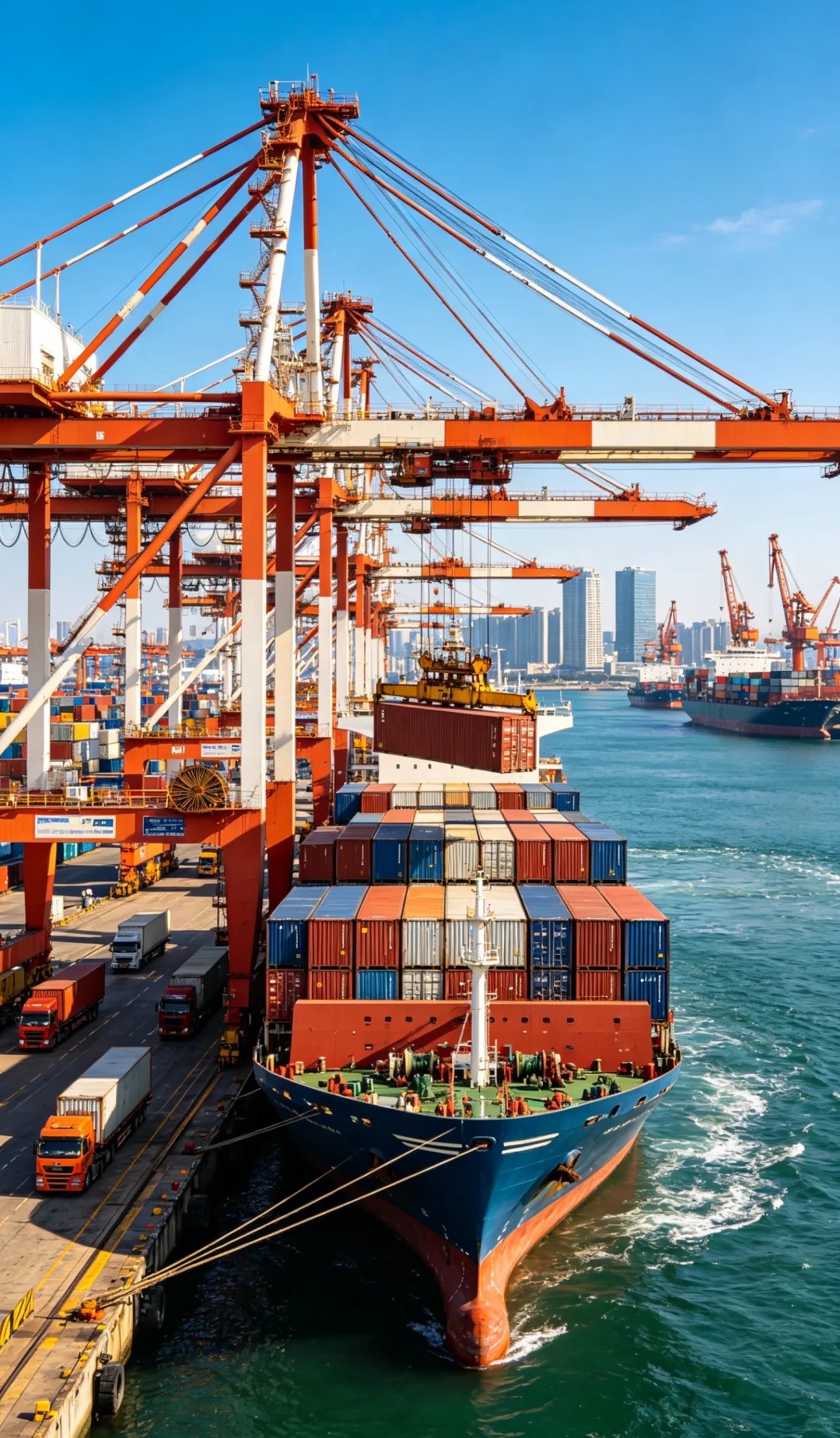
UAE – Infrastructure investment exceeded AED 500 billion in 2025, with continued upgrades to Dubai Expo venues and ongoing development of Abu Dhabi's smart city. The Big 5 Dubai attracts over 100,000 buyers annually, 70% of whom are project general contractors and developers. The procurement chain is clear, with major contractors leading material selection.
However, the UAE market faces an important policy shift: since 2025, the UAE has initiated an anti-dumping investigation into Chinese ceramics and sanitary ware products, with potential tariffs of up to 51% on those products. This signals that pure price-based export models are under pressure, and the UAE is transitioning from a "free trade hub" to a "regional manufacturing center," placing greater emphasis on product value-added and technological content.
Overall, demand for exterior wall materials in the Middle East shows two structural features: first, large-scale new projects require materials that meet aesthetic, safety, and environmental standards simultaneously—favorable for soft porcelain; second, the trend toward supply chain localization is strengthening, meaning suppliers that can respond quickly and coordinate with project timelines will gain purchasing preference.
III. Compliance Essentials: Middle East Customs Clearance & Certification
Compliance is the biggest practical challenge for exporting soft porcelain to the Middle East. Below is a breakdown by key market.
UAE – The import declaration system has been upgraded. From 2026, all goods must use a 12-digit HS code (previously 8 digits). A code error rate above 5% leads to direct return of the shipment. Additionally, from March 16, 2026, all imported goods transiting through the UAE must obtain mandatory approval from NAIC UAE before loading. Shippers must submit shipping instructions 33 hours before vessel arrival. For documentation, commercial invoices and certificates of origin must include Arabic translation, and invoices must bear a non-removable "Made in China" label.
Saudi Arabia – The SABER certification system has been fully upgraded. From 2026, all regulated products (including building materials) must obtain a Product Certificate of Conformity (PCoC) and a Shipment Certificate of Conformity (SCoC) before shipment. These cannot be obtained after arrival; violations result in cargo detention or return. HS codes have also been updated, and certificates applied for with old codes will be automatically rejected.
Egypt – In addition to the mandatory ACID system mentioned earlier, note that commercial invoices must be certified by the Egyptian Embassy in China or its authorized representative and provided with an Arabic translation; otherwise, customs will treat them as invalid. Exporters must register an account on the CargoX platform. If an ACID number is not provided when booking a shipment, the goods may be refused at the origin.
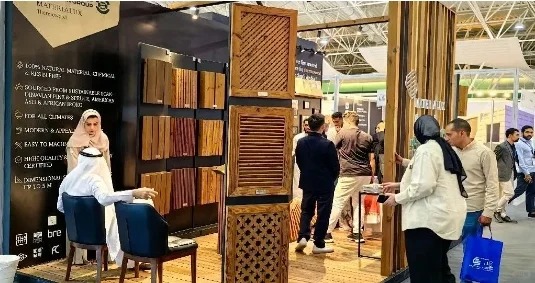
Furthermore, the Middle East has religious and cultural taboos regarding product patterns and packaging, such as prohibiting images of idol worship, snowflakes, hearts, etc. The UAE has also gradually banned single-use plastic packaging, mandating biodegradable materials.
IV. Olinmat Soft Porcelain Export Advantages for the Middle East
Given the above market environment, Olinmat soft porcelain products offer three core advantages for export to the Middle East.
1. Product attributes align well with Middle East market needs. Soft porcelain is lightweight, safe, flexible, breathable, low-carbon, crack-resistant, and easy to install. Compared to traditional ceramic tiles of the same area, soft porcelain can reduce transport energy consumption by up to 90%. In Saudi Arabia and the UAE, as safety requirements for high-rise exterior materials rise, the lightweight nature of soft porcelain provides inherent construction safety benefits. Also, soft porcelain can be applied directly onto old substrates without removing existing finishes, significantly lowering renovation costs and timelines for hotel refurbishment and urban renewal projects.
2. Environmental credentials precisely match green policy tailwinds. Egypt has significantly reduced import tariffs on LEED-certified green building materials to 10%; Saudi Arabia continues to increase procurement weighting for green building materials. As a low-carbon, recyclable eco-friendly decorative material, soft porcelain enjoys clear tariff and purchasing advantages in these policy environments.
3. Complete compliance system, mature export pathway. Olinmat soft porcelain products have passed CE certification, meeting EU safety, health, and environmental standards. Regarding Middle East market access requirements such as Saudi SABER, UAE ECAS, and Egypt GOEIC/ACID, we have a dedicated compliance team to manage the entire process—ensuring documentation is complete, declarations are compliant, and certifications are finalized before arrival at port.

If you are interested in learning about specific application cases, sample requests, or compliance support for Olinmat soft porcelain in the Middle East, please contact us via our website.