

I. Middle East Construction Market Size and Demand Background for Soft Ceramics
As of 2026, the Middle East is in the implementation phase of a new round of large-scale infrastructure and urban construction. Projects under Saudi Arabia’s Vision 2030 – including NEOM, the Red Sea tourism development, and Riyadh’s urban renewal – have moved from planning to substantive construction. Industry data indicates that the Saudi construction market is expected to reach USD 88.5 billion in 2026, with total infrastructure investment exceeding USD 1.5 trillion over the next decade.
Within the Gulf Cooperation Council (GCC) region, the building products market was valued at approximately USD 34.4 billion in 2025 and is projected to grow to USD 53.9 billion by 2034, representing a compound annual growth rate (CAGR) of about 5.13%. The UAE construction materials market is growing at an annual rate of 7.5% to 8.5%, driven by Dubai’s Urban Master Plan 2040 and the ongoing development of Abu Dhabi’s smart city initiatives.
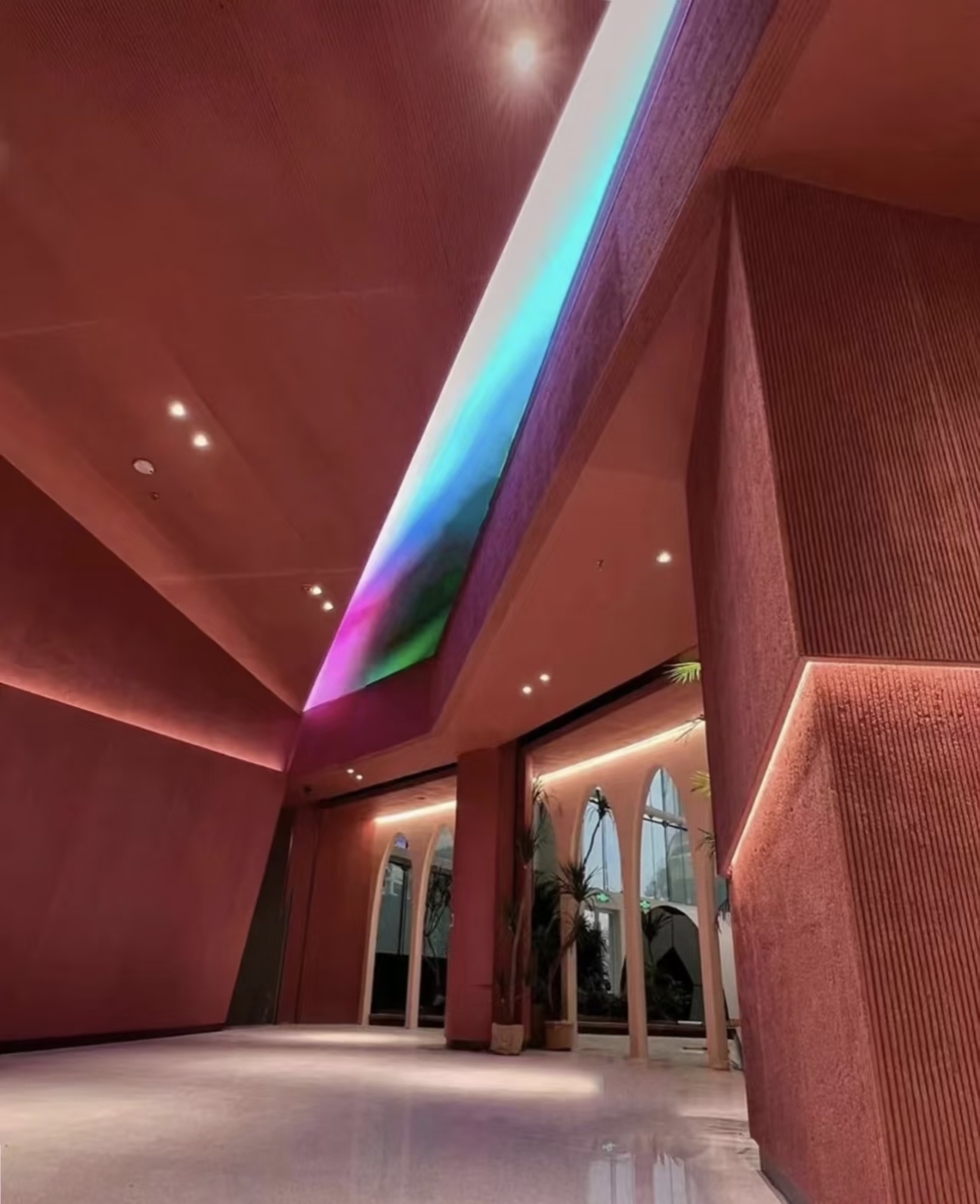
This market expansion creates stable incremental demand for architectural finishing materials. Among them, new materials that meet green building standards and offer lightweight and weather‑resistant properties are receiving increased procurement attention. Soft ceramics (MCM – Modified Inorganic Powder Composite Architectural Finishing Sheets) are gradually gaining share as an alternative to traditional ceramics and stone in the export mix.
II. Stricter Green Building Policies: Technical Compliance Advantages of Soft Ceramics
Middle Eastern countries have recently raised environmental and performance standards for building materials. The Saudi Standards, Metrology and Quality Organization (SASO) Green Building Code, the Estidama Pearl Rating System in the UAE, and the increasing adoption of LEED certification in regional projects have made low‑carbon, energy‑efficient, and recyclable materials a priority in large‑scale tenders.
The GCC sustainable building materials market was valued at USD 6.3 billion in 2025 and is expected to reach USD 13.4 billion by 2034, with a CAGR of 8.75%. In this context, price advantage alone is no longer sufficient for building material exporters. Products must provide quantifiable technical indicators in terms of carbon emissions, durability, and construction efficiency.
Soft ceramics offer strong technical alignment with Middle Eastern green building requirements in the following aspects:
Carbon emissions: Production energy consumption is approximately 80% lower than that of traditional ceramics, and carbon emissions are about 1/6 that of ceramics.
Material utilization: Cutting waste can be recycled, complying with circular economy criteria.
Lightweight: Weight per unit area ≤8 kg/m², roughly one‑third that of traditional tiles, reducing structural loads and transportation energy.
These characteristics enable soft ceramics to meet the scoring requirements for materials and resources in certification systems such as SASO and LEED, steadily increasing their acceptance in Middle Eastern construction projects.
III. Adaptability Analysis of Soft Ceramic Properties to Middle Eastern Climate and Construction Conditions
The Middle East is characterized by high temperatures, intense solar radiation, and large diurnal temperature variations. Exterior finishing materials must exhibit good weather resistance, thermal stability, and crack resistance. The technical parameters of soft ceramics align well with these environmental demands:
Temperature tolerance: Maintains structural stability within a temperature range of -30°C to 50°C without significant thermal expansion/contraction deformation.
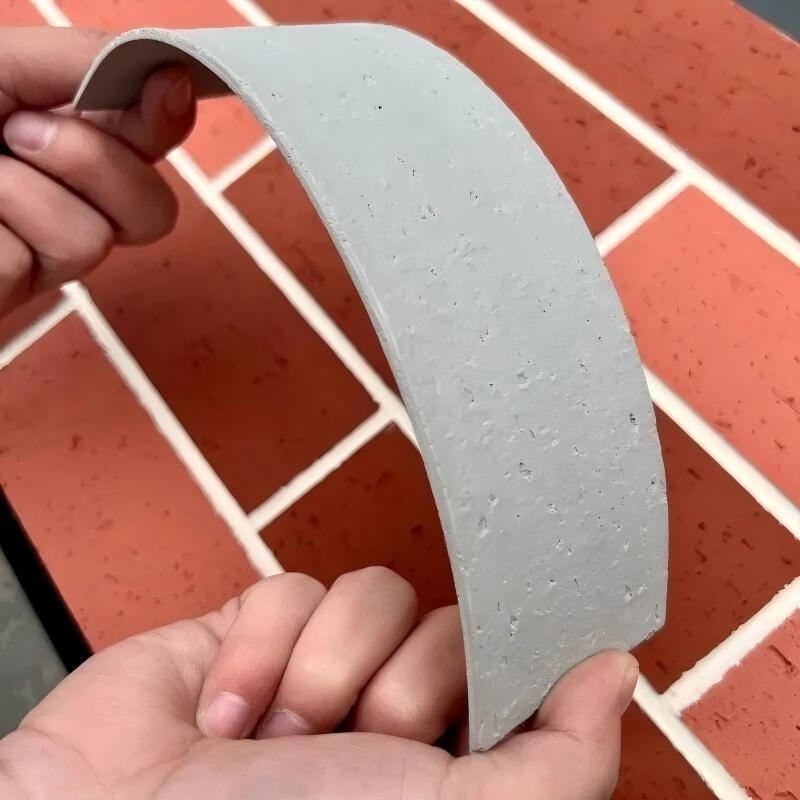
Flexibility: Can be bent around a 50 mm diameter mandrel without cracking, accommodating substrate movement and thermal stress, effectively reducing the risk of exterior wall cracking and detachment.
Weather resistance: Accelerated aging tests show no surface powdering or cracking, and color difference change is less than Grade 3 on the gray scale.
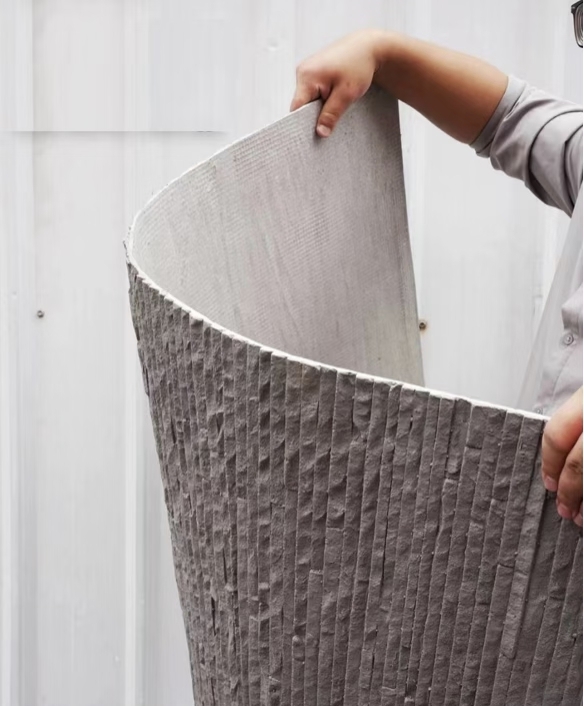
Furthermore, the installation method of soft ceramics suits the fast‑track construction schedules common in the Middle East. The material can be cut with a utility knife without requiring water cutting or heavy machinery, and installation speed is approximately 40% faster than that of traditional tiles. For projects with tight deadlines – such as NEOM and the Red Sea projects – this feature offers clear cost‑saving benefits.
IV. Global Soft Ceramics Export Trends and Opportunities for Chinese Enterprises
From an international demand perspective, soft ceramics have gained traction beyond the Middle East, showing steady growth in South Korea, Southeast Asia, Russia, Spain, and Turkey. During the 2025 Fujian Building Material Fair, several Chinese soft ceramic manufacturers received orders from buyers in Malaysia, Saudi Arabia, and other countries. Some industry leaders now export soft ceramics to more than 30 countries, with exports accounting for nearly 30% of their sales.
A noteworthy policy change: effective April 1, 2026, China has cancelled export tax rebates for 249 traditional ceramic products. This policy guides the industry toward higher‑value‑added, low‑carbon building materials. As an alternative material, soft ceramics have not been adversely affected by the rebate cancellation; instead, their technical barriers and green attributes provide a differentiated competitive advantage.
For soft ceramic suppliers focused on overseas markets, the main challenges are not insufficient demand but rather establishing regional product certifications, aligning with technical standards, and building reliable local service capabilities.
V. Olinmat Soft Ceramics: Product Specifications and Overseas Market Adaptation Solutions
Olinmat’s soft ceramic product line is made from modified inorganic powder (MCM material) using a temperature‑controlled molding system, followed by baking and irradiation cross‑linking. The products are positioned for mid‑to‑high‑end construction and green building projects overseas.
Key Technical Parameters and Performance Indicators:
| Parameter | Value |
|---|---|
| Thickness | 2–4 mm |
| Weight per unit area | ≤8 kg/m² |
| Fire rating | Class A |
| Temperature range | -30°C to 50°C |
| Flexibility | Bendable around 50 mm diameter mandrel without cracking |
| Water vapor permeability | Meets exterior wall vapor permeability requirements |
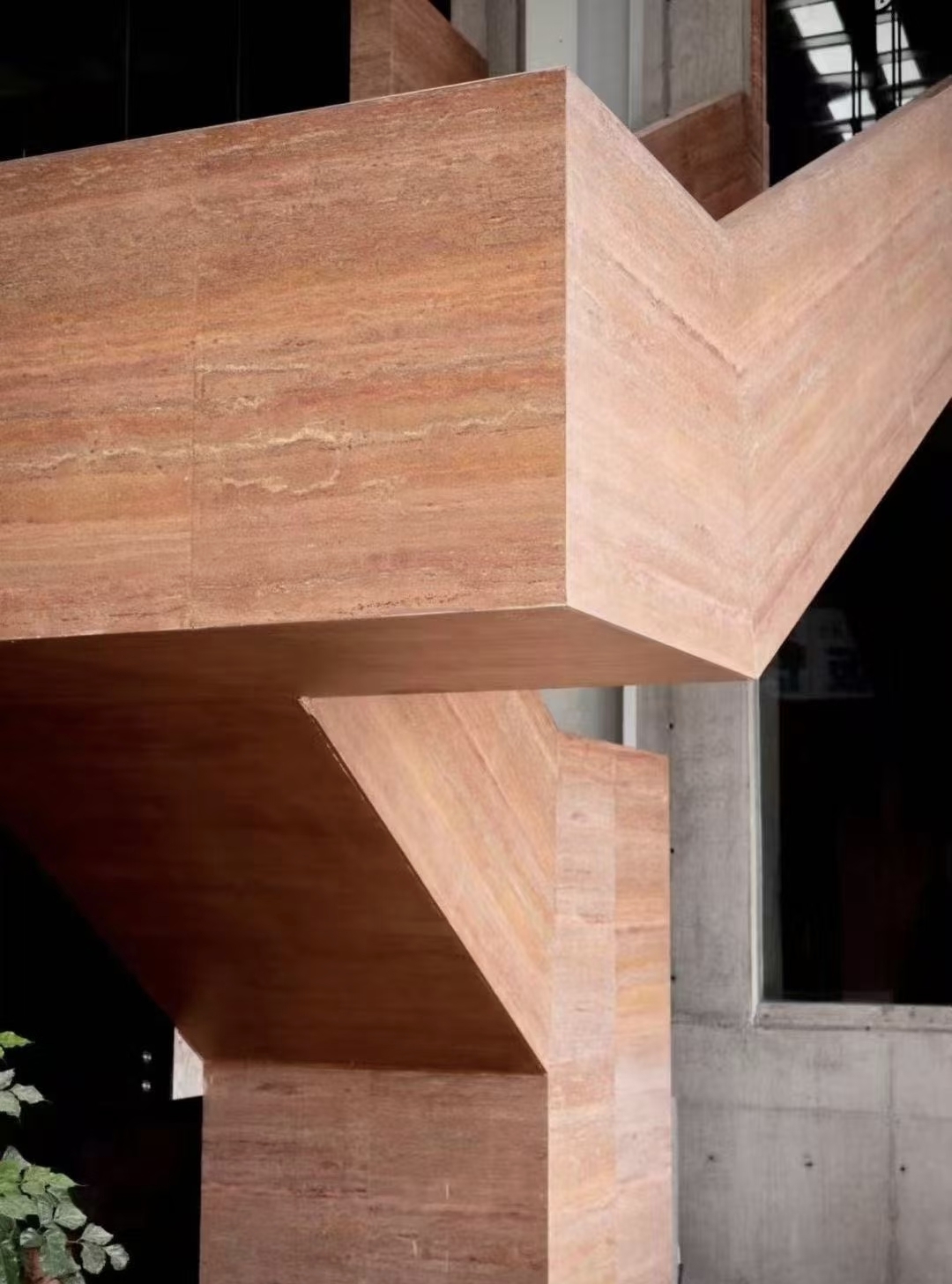
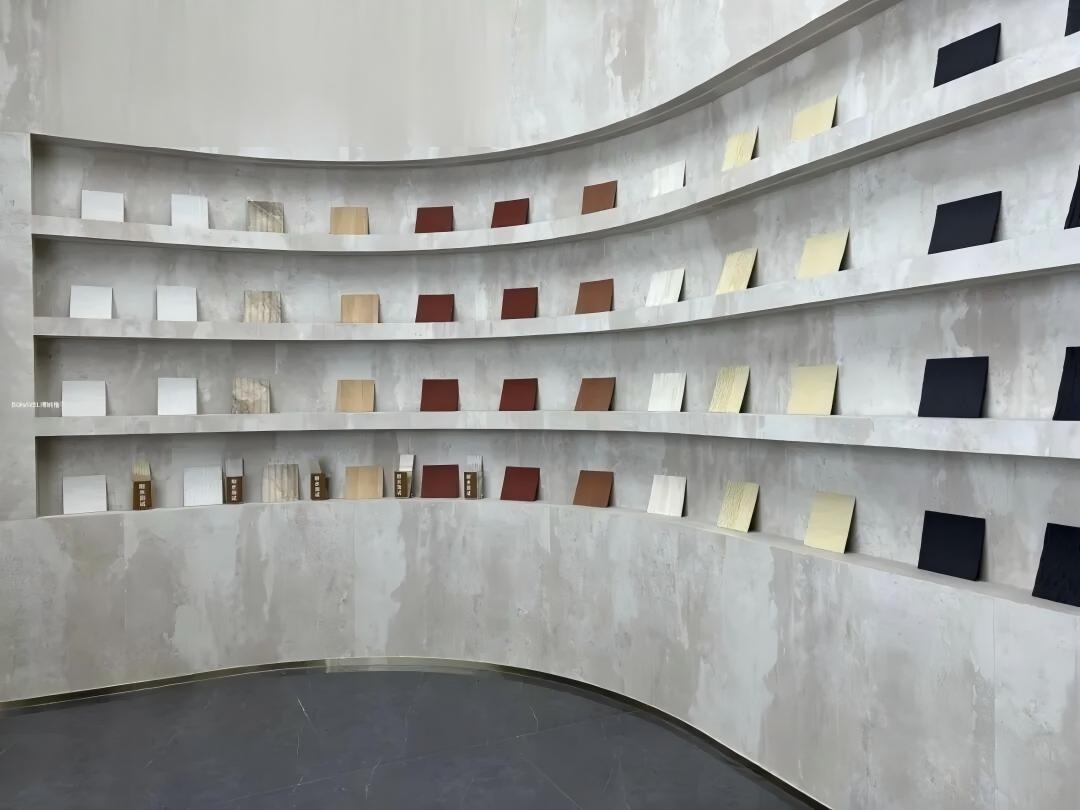
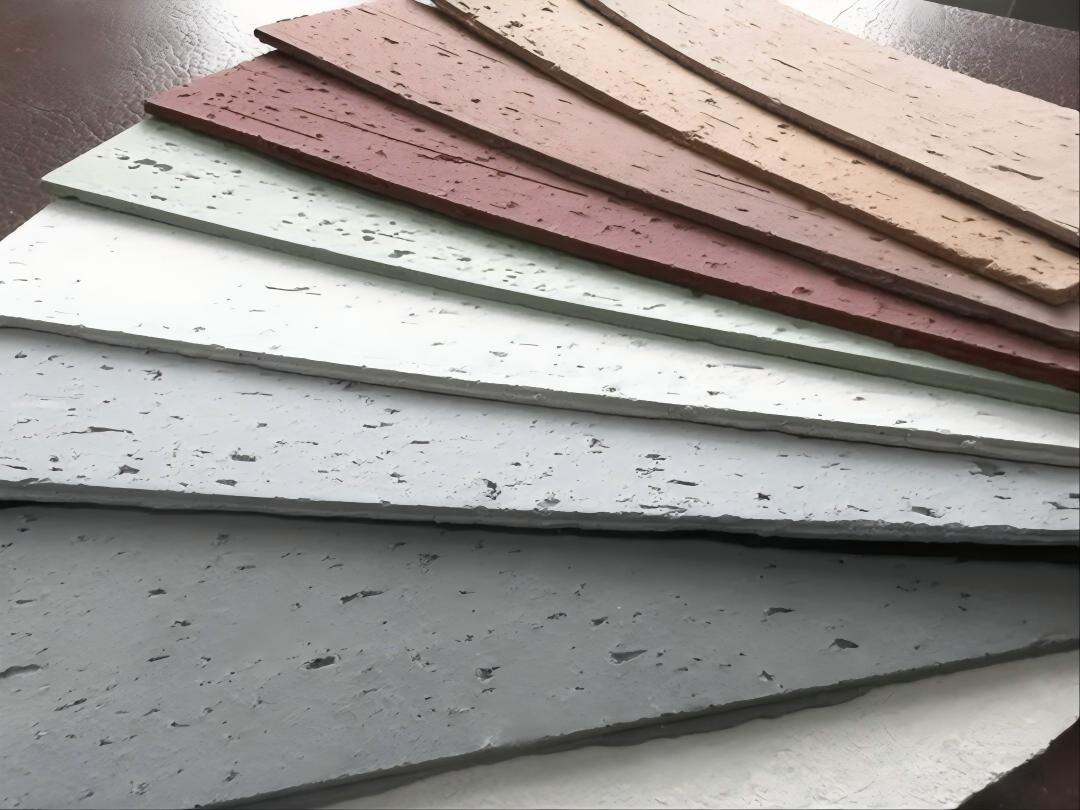
| Surface textures | Stone, brick, wood grain, leather grain, and others |
Environmental attributes:
Carbon emissions during production ≈ 1/6 of traditional ceramics
No formaldehyde or heavy metals added
Waste material can be recycled and reprocessed
International applicability:
Olinmat soft ceramics are manufactured under ISO 14001 (Environmental Management) and ISO 9001 (Quality Management) standards. The products are compatible with SASO, LEED, Estidama, and other certification requirements. For the Middle East market, Olinmat provides weather resistance test reports, accelerated aging data, and technical guidance documents to support customers in preparing technical bid submissions for projects.
Pre‑sales and after‑sales services:
Olinmat offers product selection advice, sample delivery, installation plan design, and remote installation guidance for overseas clients. For bulk orders, Olinmat can assist with local certification testing and documentation.
VI. Feasible Path for Soft Ceramics Export and Olinmat’s Market Positioning
The sustained infrastructure investment in the Middle East provides a stable export channel for green building materials such as soft ceramics. Contrary to exaggerated narratives of “explosive” growth, the actual market expansion is structural and sustainable: traditional materials like ceramic tiles, stone, and aluminum panels are gradually being replaced by lightweight, flexible finishing materials. This substitution is driven by mandatory green building policies, realistic project cost control needs, and the increasing technical maturity of soft ceramics.
Olinmat soft ceramics are positioned as internationally compliant, transparently parameterized, and verifiable MCM architectural finishing materials, serving markets in the Middle East, Southeast Asia, Europe, and beyond. Customers can access product test reports, project case studies, and technical documentation via the Olinmat official independent website, with one‑on‑one business support from the overseas team.
Olinmat Soft Ceramics · Engineering‑grade MCM Material Solutions
Website: www.olinmat.com
For product inquiries and technical support, please submit a ticket or contact our online customer service via the official website.