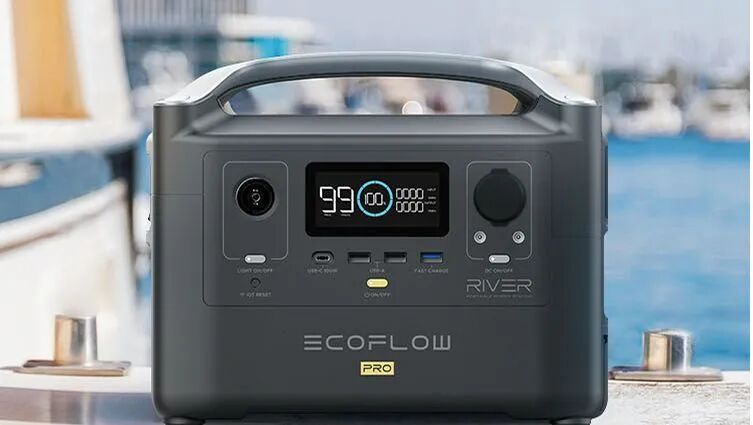


Portable Power Station Market Trends 2025-2026: Five Changes You Need to Know
If you‘ve been thinking about getting a portable power station, or if you’ve just come across these products every now and then – you may have noticed that this space is getting noticeably “hotter.” Campers are using them, apartment dwellers are keeping them for backup in case of power outages, and just about every van-life blogger seems to have one.
So what‘s really changing in this market from 2025 to 2026? We’ve sorted out five of the most important trends to help you get a clear picture.
1. The market is still growing, but different sources give very different numbers
Let‘s start with the numbers.
Several industry research firms track this market, but they use different methodologies, so the figures vary. Here are a few reference numbers worth noting:
According to Grand View Research, the global portable power station market was approximately $4.18 billion in 2025 and is projected to reach about $19.91 billion by 2033, with a CAGR of 22.4%. Another firm, The Business Research Company, offers more conservative figures: around $4.6 billion in 2025, growing to $4.91 billion in 2026, a CAGR of about 6.6%.
Some reports go into more detail. For instance, 360iResearch estimates the 2025 global market at $768.5 million, reaching $1.6178 billion by 2032, a CAGR of 11.22%. Fortune Business Insights gives an even smaller number – $661.57 million in 2025, rising to $1.19835 billion by 2034, a CAGR of roughly 6.58%.
Why such large discrepancies? The main reason is that different reports define and scope “portable power” differently. Some cover only pure portable energy storage products, others include power station units with inverters, and still others use broader definitions. But no matter how you measure it, the conclusion that the market is growing remains consistent.
It’s worth noting that most of these reports come from English-language research institutions, and Chinese domestic agencies use different statistical scopes. So take these numbers as references – no need to dwell on which one is “more accurate.”
2. Why are more and more people buying portable power stations?
Market growth doesn’t happen out of nowhere. At a global level, three main forces are driving it.
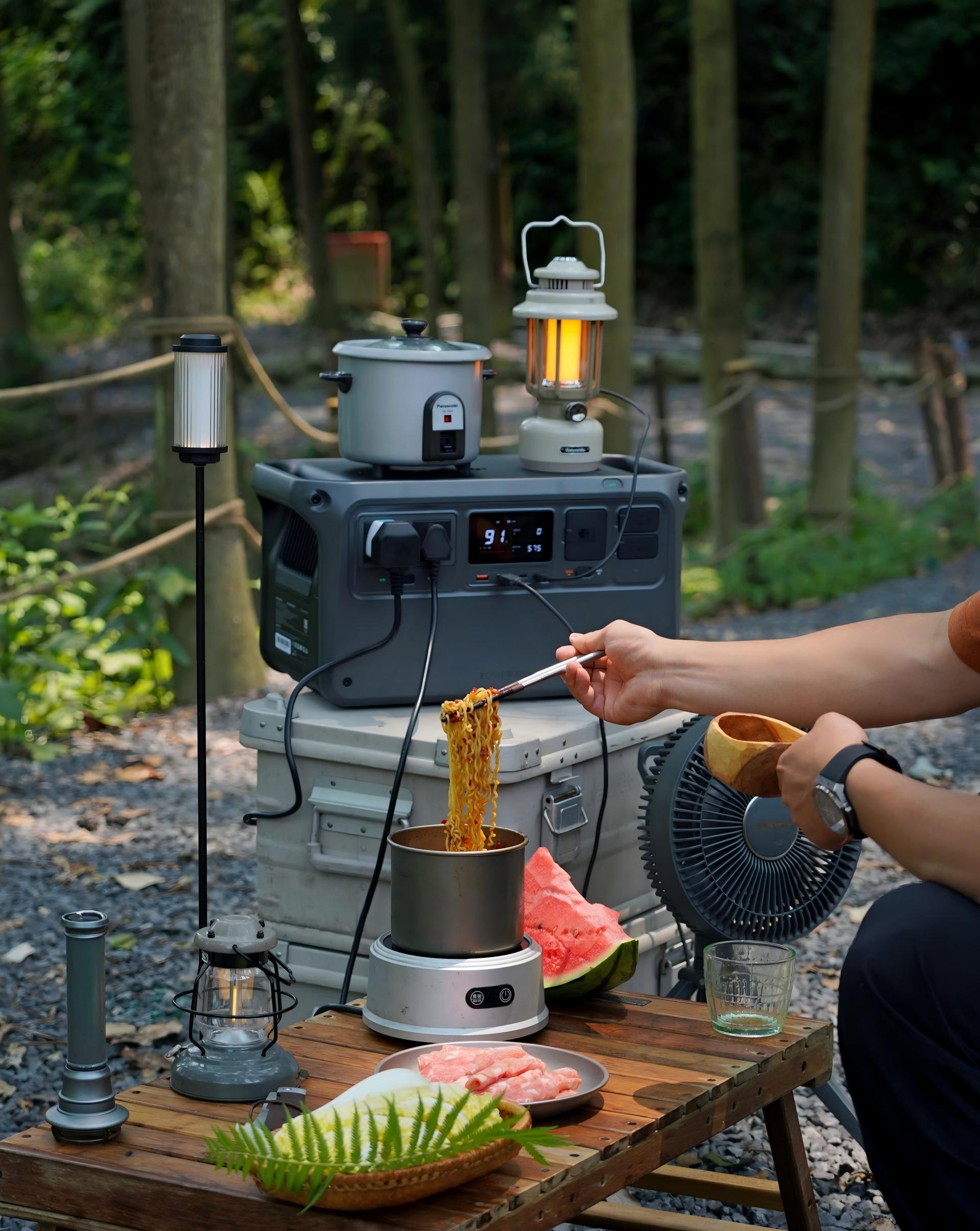
Outdoor activities are still heating up. Camping, van life, hiking, outdoor photography – these activities have been on the rise for years. According to a 2025 industry report, sales in just the camping portable power station segment are expected to reach RMB 36.67 billion globally by 2031, with a CAGR of 17.3%. Another data point: the global outdoor camping power market hit $1.033 billion in 2025 and is projected to reach $1.414 billion by 2031. More people going into the wild means more people needing electricity out there.
Home emergency backup demand has been amplified. In recent years, extreme weather events have become frequent – California wildfires, Texas deep freezes, Midwest tornadoes. After every major blackout, there‘s a wave of portable power station sales. Data backs this up: the global residential portable energy storage system market was valued at about $3.3 billion in 2024 and is expected to grow to $29.9 billion by 2034, a staggering CAGR of 23.9%. For many buyers, the primary use of a portable power station is actually “keeping it at home just in case,” not taking it camping.
Digital nomads and remote work have made mobile power a necessity. According to data from Eurostat and other sources, global EV sales continue to climb, and portable power stations are gradually integrating into the EV ecosystem as supplementary charging tools. Meanwhile, more and more people are working remotely from RVs, tents, or even the wilderness – laptops, routers, monitors all need power. Portable power stations have become basic equipment for them.
3. Technology is shifting: LFP batteries go mainstream, fast charging speeds up
This is where the most obvious changes have happened in the last two years.
Lithium iron phosphate (LFP) batteries are becoming the norm. If you compare products from 2021 to those in 2025, you‘ll see a big change in battery type. Most portable power stations used to run on NMC (nickel-manganese-cobalt) batteries, which have a cycle life of about 500-800 cycles. Now more and more brands are switching to LFP, which can deliver 3,000 to over 6,000 cycles and offer much better thermal stability, drastically reducing fire risk. At one charge-discharge cycle per day, an LFP-based portable power station can easily last eight or nine years.
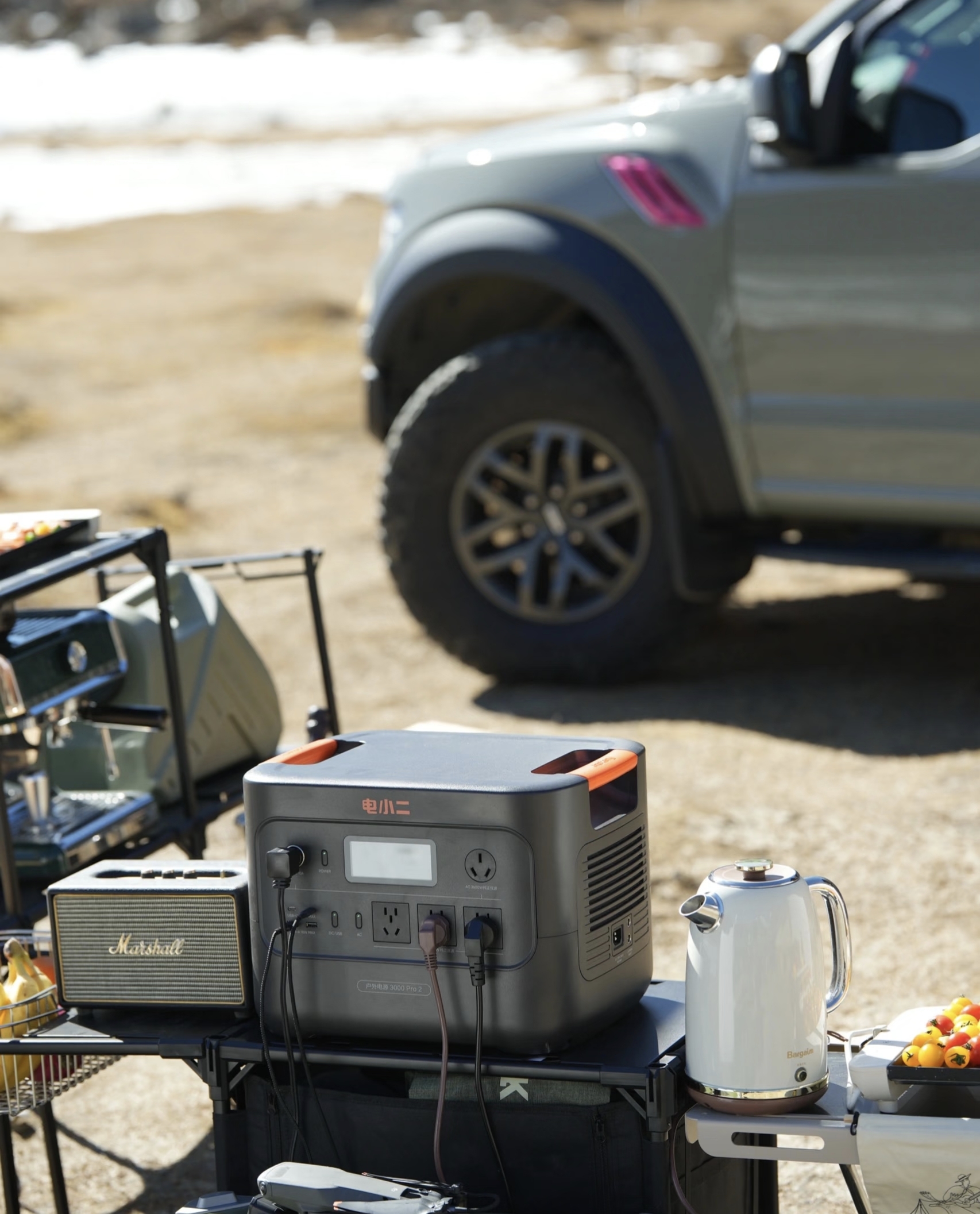
Fast charging is also getting faster. For mainstream models in 2025-2026, AC input power typically supports 800W to 1500W, making a full charge from zero take just 1 to 2 hours. Some high-end units can even reach 80% charge in about 50 minutes. At the same time, the spread of stacked (laminated) cell technology has reduced internal resistance by more than 20%, further improving fast-charging efficiency and safety margins.
Solar charging is becoming standard. It used to be a “sounds cool but no one actually uses it” feature, but that‘s changed. High-efficiency foldable solar panels paired with built-in MPPT controllers are now standard accessories for many portable power stations. Under ideal sunlight, some models can fully charge via solar in just 2 to 3 hours.
4. Consumer behavior: many have heard of it, but few have bought it
This is a phenomenon worth paying attention to.
According to survey data from iiMedia Research and other agencies focused on the Chinese market, the largest group in the portable/mobile energy storage category is “have heard of it but never bought it” – nearly 30%. In other words, a large number of consumers are already aware of this product category, but that awareness hasn’t yet turned into purchases.
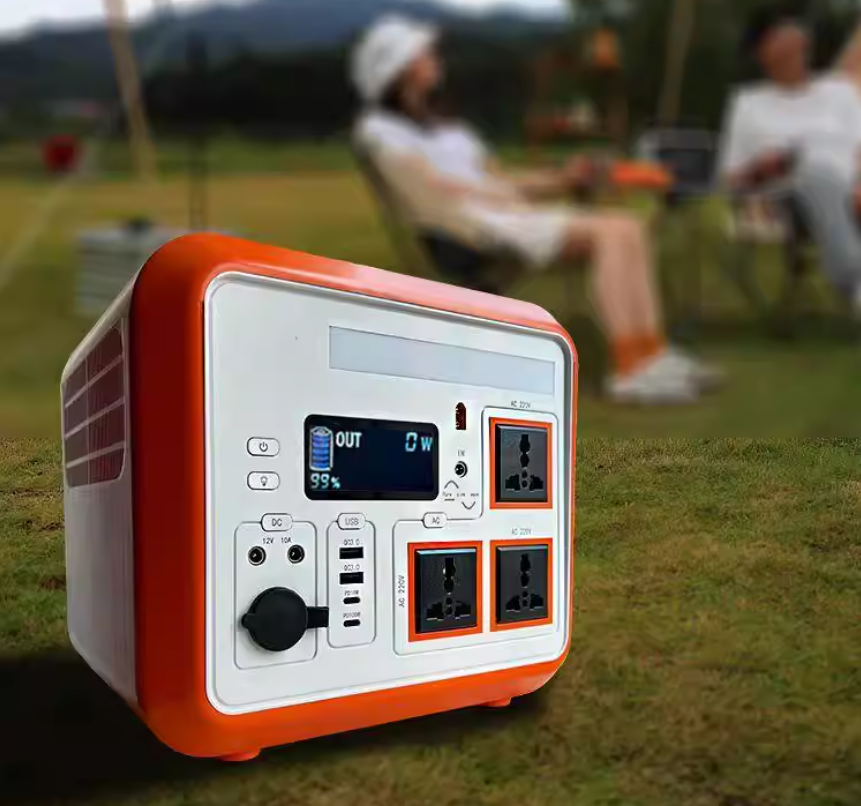
Why is that? The core concerns aren‘t hard to guess – Is the battery life enough? Is it safe? Is it worth the price?
From a technical standpoint, these concerns have been greatly reduced. LFP battery safety has been thoroughly validated, and more and more brands are obtaining third-party certifications like UL, CE, and UN38.3. As for range, mainstream capacities between 500Wh and 1500Wh are more than enough for a weekend camping trip’s basic power needs.
But for consumers, this information hasn‘t been communicated effectively. That means brands and sales channels still have a lot of room to work on “removing purchase concerns.”
5. In one sentence: the market is expanding, technology is maturing, and consumers will have more choices
The market is growing steadily, driven by three forces at once – outdoor activities, home backup needs, and remote work. LFP batteries and fast charging are making products more durable and user-friendly. Solar charging is becoming a standard feature. Consumer awareness is already high, but more information is needed to help them make the purchase decision.
So what does this mean for someone considering buying a portable power station?
You don’t need to rush out and buy a high-capacity multi-kilowatt model. First, figure out your actual use case: for light weekend camping, 300-500Wh is plenty; if you‘re going on a long van-life trip or keeping it for home backup, consider 1000Wh or more for peace of mind. Also, try to choose an LFP model – it might cost a bit more upfront, but it lasts much longer, so the average cost over time is lower.
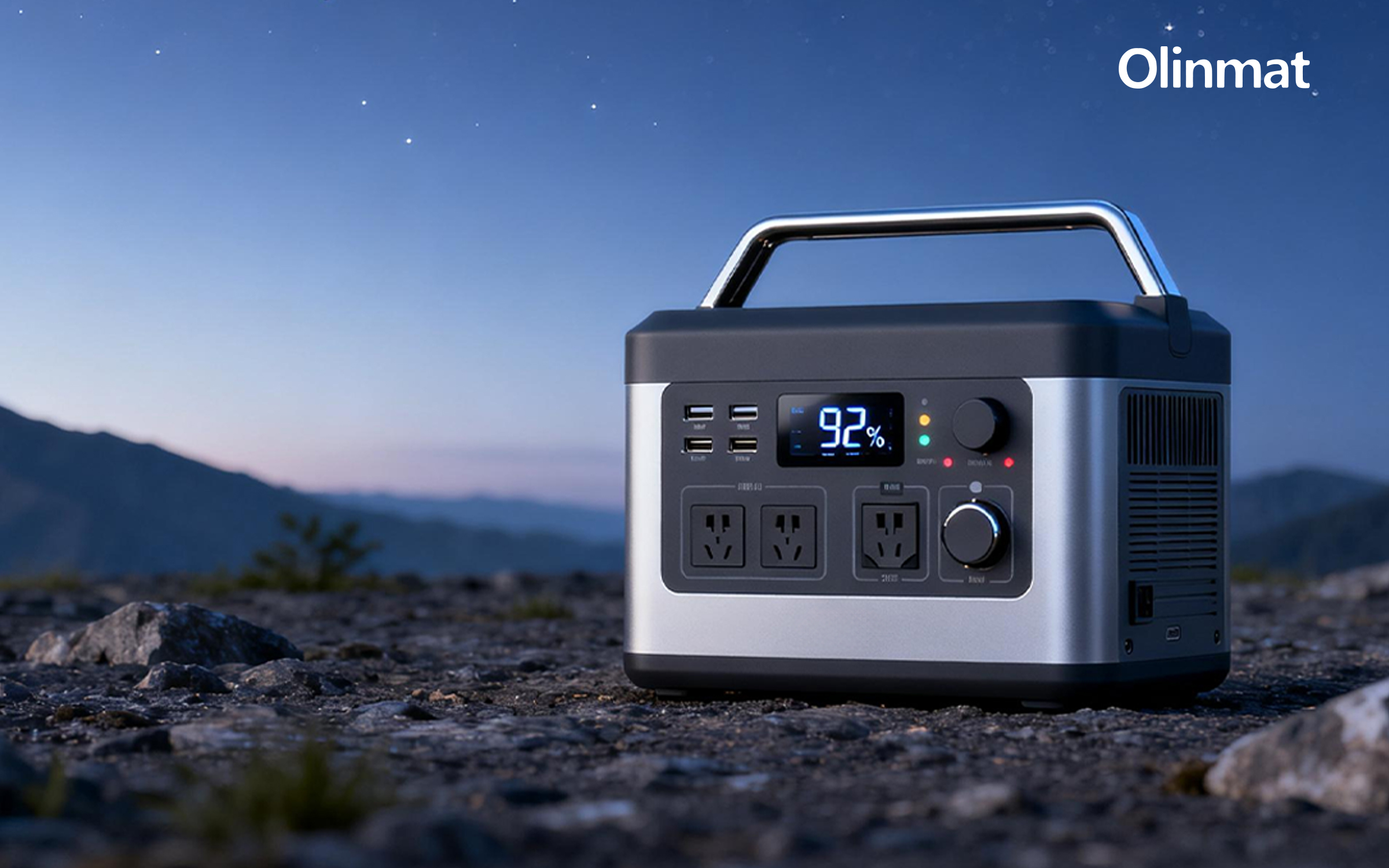
This industry is still changing fast. What’s certain is that future portable power stations will be lighter, safer, faster to charge, and more affordable. For most ordinary consumers, now may have already entered a “seriously worth considering” window.